
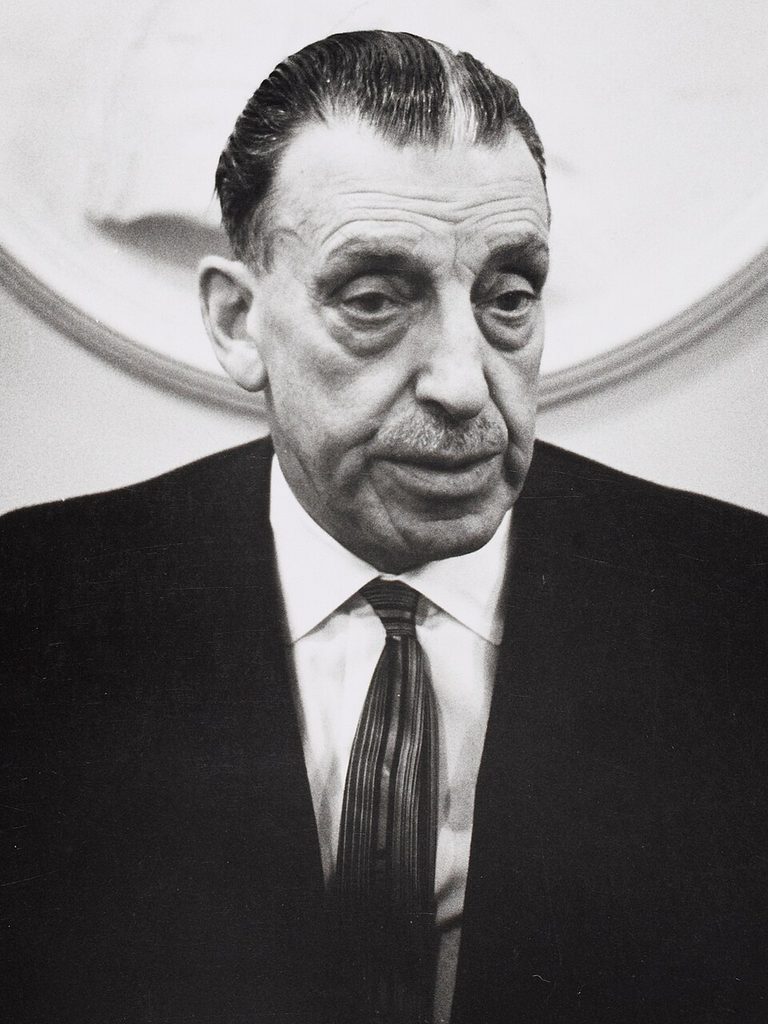
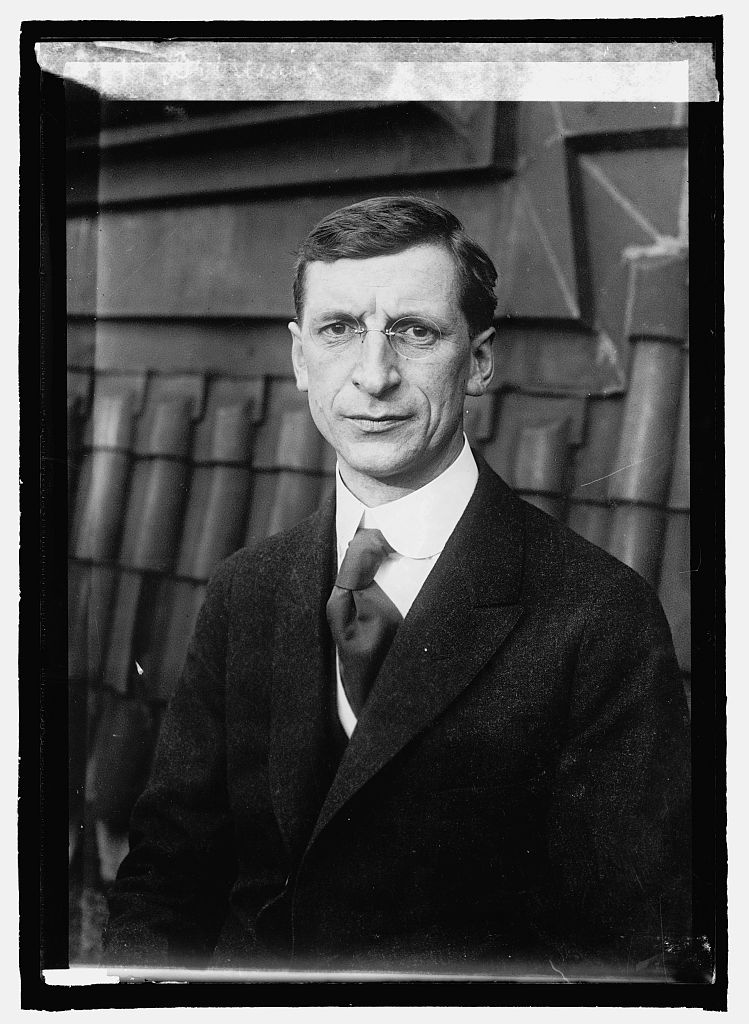
I vividly remember sitting in the National Archives in Dublin, sifting through boxes of files from the Department of Industry and Commerce, as well as of the Taoiseach (prime minister), and finding documents with signatures from famous politicians such as Éamon De Valera and Seán Lemass. I’d spent the better part of four years reading about them. Holding those papers, seeing their signatures, was really something. It felt like a direct connection to the past.
I’m not an archaeologist, but in the past few years of working with Arthur I’ve experienced a really striking connection that differs a bit from the archives. There’s an intimacy with those who came before that comes from finding their domestic items in the ground. These aren’t historical luminaries, but ordinary people. Like us. It’s a very visceral thing.
With that in mind, this was a great week for archaeology and for finding connections to those who once lived and worked on the University of New England campus on the banks of the Saco River.
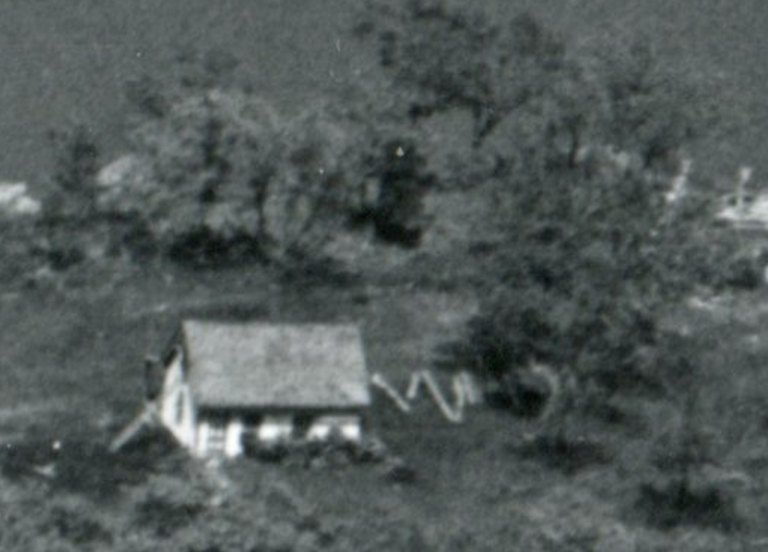
Our day started with pouring over the photograph of Jordan’s Point with its farm. Where was the farm house? Last week, we dug a pile of bricks thinking that it might be the chimney. It was near the “dock” and might certainly be the spot. The archaeology didn’t support that idea, though. The bricks weren’t burned. There wasn’t a lot of domestic stuff.
Trying to triangulate the photograph with what Arthur and I had studied from Norwoods’ Wharf, it felt like the building was closer to the Riverside Tent. Not under it, but rather two or three yards towards the river. Right… we had our plan.
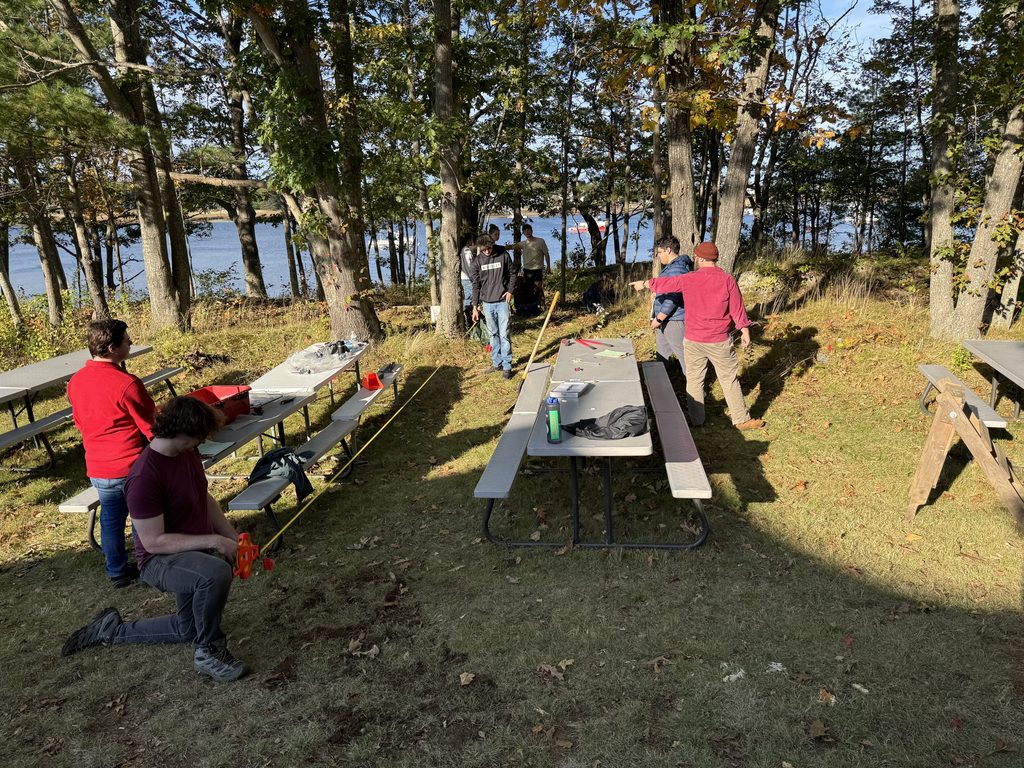
Measuring carefully so as to stay the appropriate distance from the tent, we set up a line of test pits located a few yards apart.
The students, now well practiced in the art of setting up 50x50s, measured things out, strung up string, removed the sod, and started gentling moving downwards.
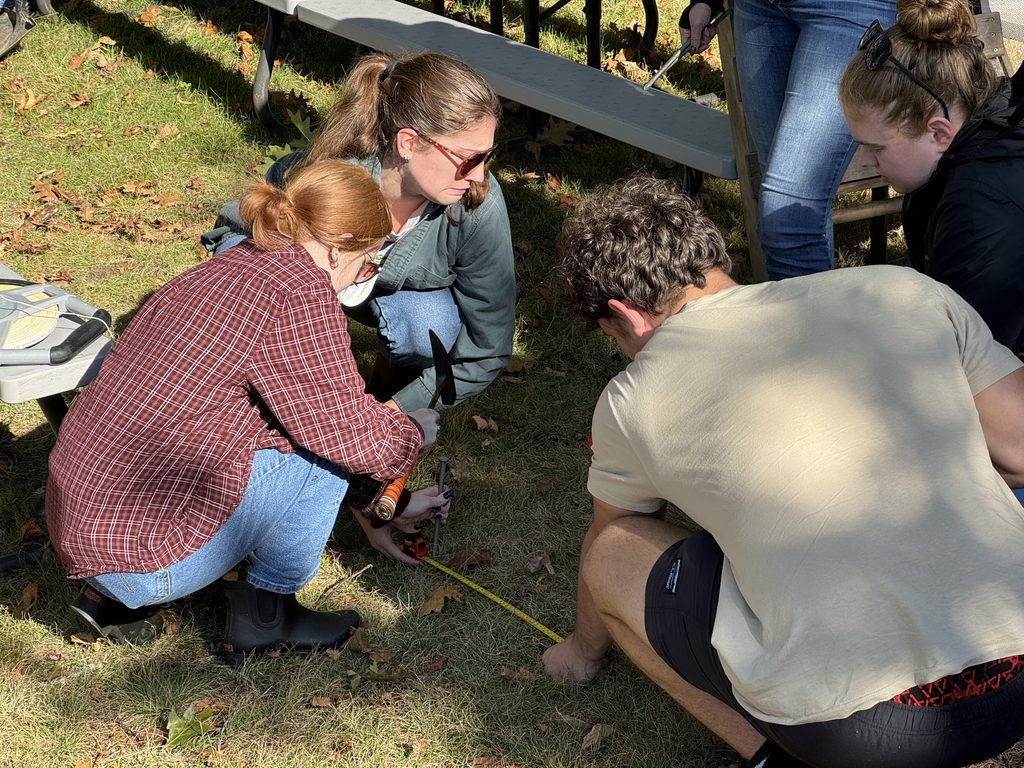
We started with our fifth trench, 15 feet or so from the Riverside tent. It yielded two interesting finds. The first was a Winchester shotgun shell. The beauty of gun casings it that they are easily datable. This one was from the first decade of the twentieth century. Bang on (excuse the pun) when we know the house was in situ.
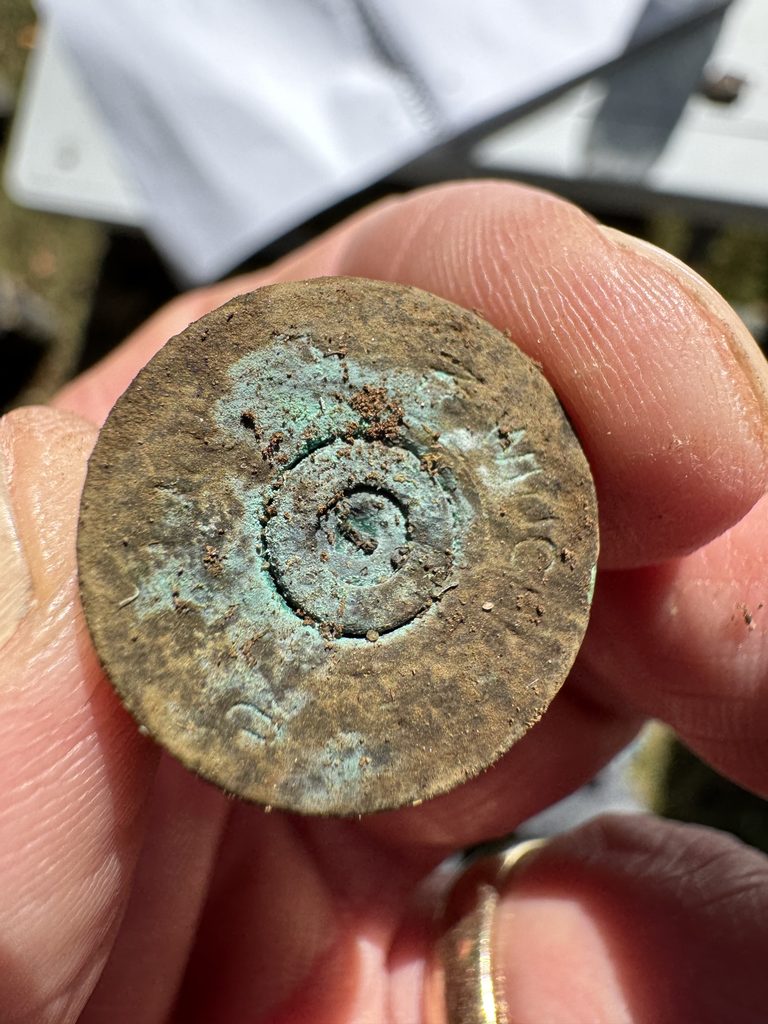
It is worth remembering that last year when we dug at Norwoods’ Wharf, one of our most common finds were .22 caliber bullet casings. We came to think that recreational shooting was a regular pastime. Perhaps this new shell is further indicative of local leisure pursuits at the end of the nineteenth century? Or, alternatively, perhaps it is more reflective of the practical business of putting food on the table?
The second interesting find had nothing to do with our house: another lithic flake. This one was considerably larger than the bit of red stone we found last week. It is a large piece of quartz, worked by a member of the Wabanaki band who spent part of their year here sometime between 1500BCE and the arrival of Europeans.
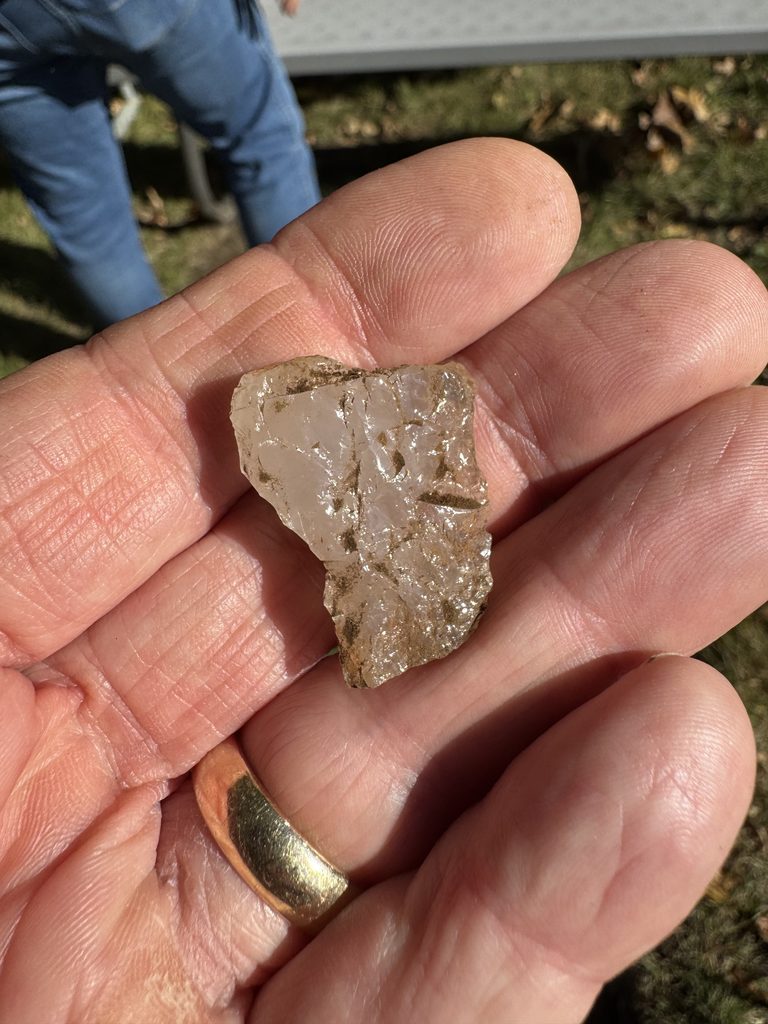
In this case, the flake likely originated in the White Mountains and made its way down the Saco River to the village site at the river mouth.
Trench number 6 was three meters closer to the river along a straight line, roughly at the line between grass and trees. It quickly started to turn up bits of both a 19th century building and domestic life. Glass (both window and bottle), square nails, and pottery.
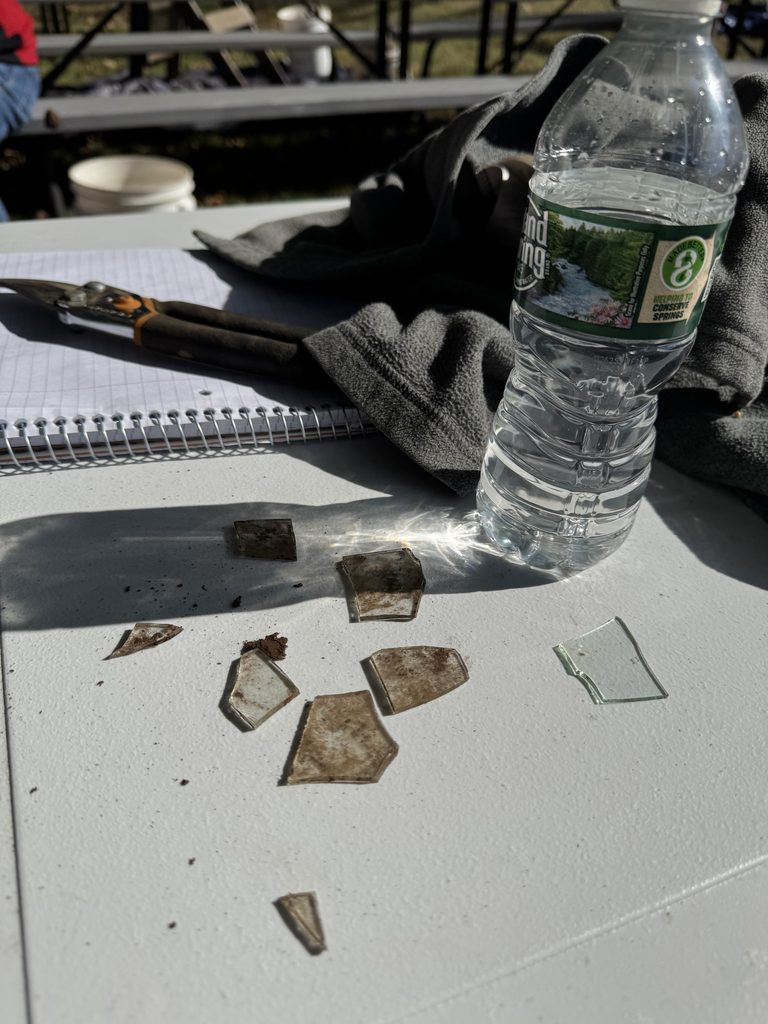
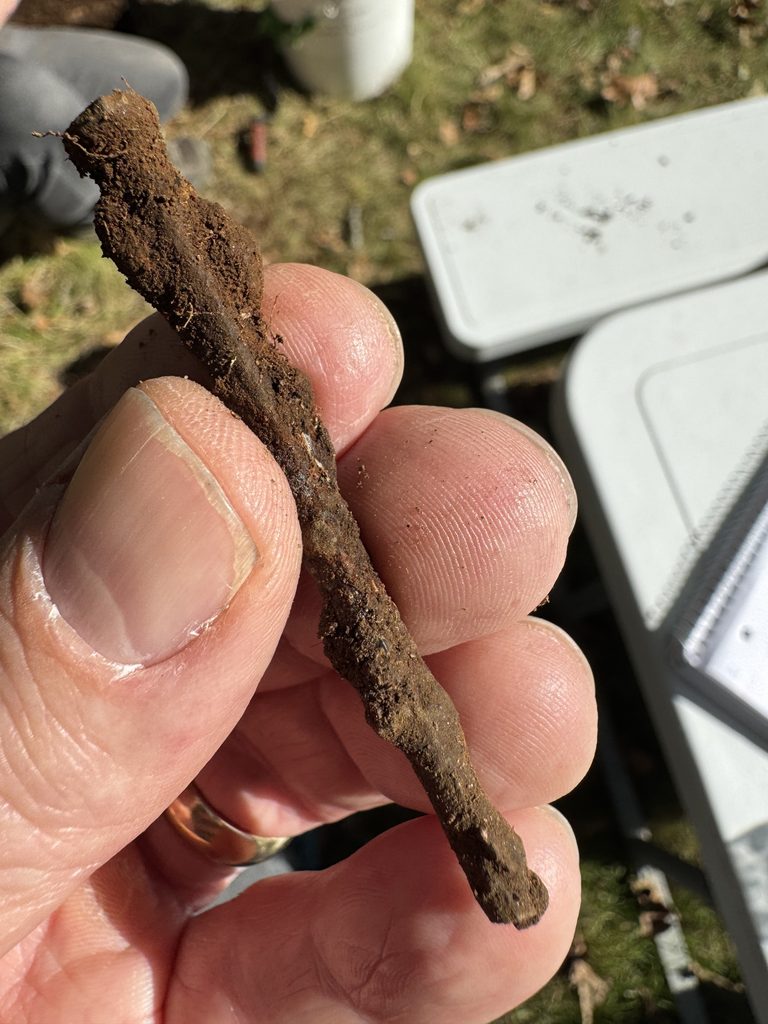
Trench #7 was another three meters along the line, in the woods. It contained a few things, but nothing like the density of trench 6. It seems to be beyond the house site.
We opened up two additional trenches. Trench #8 was three meters to the east of trench #6. Like #6, it quickly produced domestic material and a brick fragment with a few visible letters.
Here, the jewel was a butter knife. Immediately I found myself wondering if it was used at a shore dinner hall, or held in the hands of Joseph Coolbroth or perhaps Mary Coolbroth Huff?
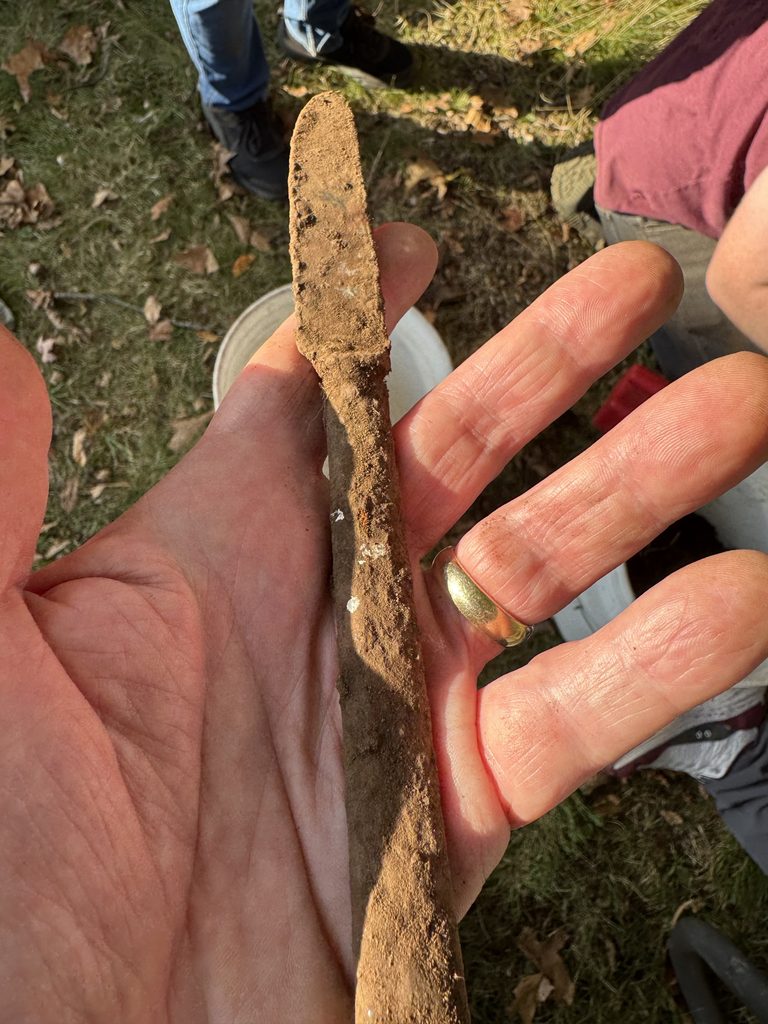
My mind was running away with me. Then I washed it off…
Three letters are clearly visible on the handle: USN.
Perhaps Coolbroth served in the Navy? Hmm… The problem with that is that the knife probably dates to the 1940s. Coolbroth was dead by then.
So why is a 1940s knife in the same layer as 19th century domestic material? At the minute, we can only hypothesize that the house was pulled down in the 1940s, leaving behind a mixture of materials from the early- and mid-century.
Finally, trench 9 is also in the woods. We want to verify that we are, in fact, beyond the house and that the other woods trench isn’t just an anomaly. At this point, that trench is still unresolved. We’ll see how it pans out this week.
Ultimately, it is difficult to conclude anything other than that we’re right near the house and in contact with the earlier inhabitants of the site: ancient and modern. We seem to be on the verge of figuring out at least part of the site. It’s a good place to be.
— Eric G. E. Zuelow